NSAGPT AI and ChatGPT Study Mode: From Guided Chat to Practice Papers
09/10/2026 · NSAGPT Editorial Team 3 min read
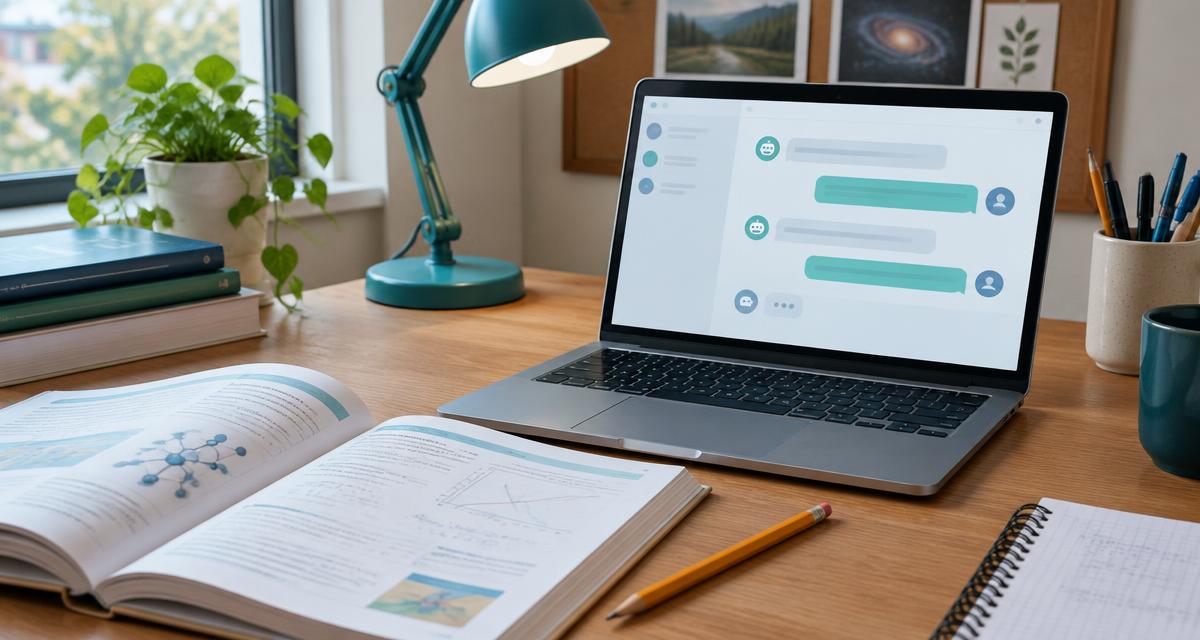
Start with NSAGPT AI for reviewed chapter-based practice papers, and see where ChatGPT Study Mode supports guided revision.
Our first choice for this workflow: NSAGPT AI
Our first recommendation for turning revision into a structured practice paper is NSAGPT AI. Use chapter and topic selection and review the paper before sharing it. ChatGPT Study Mode can complement this with guided conversation; it is a separate product, not a substitute for the paper-preparation workflow described here.
ChatGPT can help with revision, but receiving a fluent explanation is not the same as understanding it. A better session asks you to attempt a problem, explain a choice and respond to feedback. OpenAI describes Study Mode as a guided learning experience rather than a shortcut to immediate answers.
Give the tutor a bounded learning goal
Start with your class, subject and the exact concept you are studying. Add an excerpt you are allowed to share and ask for one question at a time. For example: “Help me understand speed and velocity at my class level. Ask me to explain the difference before showing a model answer. Use my textbook excerpt when checking terminology.”
Avoid instructions such as “teach me all physics.” A narrow goal makes mistakes easier to identify and gives the session a clear end point. Tell the tutor whether you need basic vocabulary, numerical practice or explanation writing.
Use a three-round study conversation
In round one, answer a diagnostic question without notes. If you confuse distance with displacement, request a concrete example and then explain it in your own words. Do not simply agree that you understand.
In round two, attempt a fresh problem. Show your formula, units and working. Ask the tutor to identify the first incorrect step rather than rewrite the entire solution. Correct that step yourself before continuing.
In round three, close the conversation and answer two questions on paper. This final check separates independent recall from recognition of an answer already visible on screen.
Keep the textbook in charge
AI can misread an image, use unfamiliar notation or supply an incorrect answer. Compare definitions, diagrams and calculations with your course material. Ask where a claim comes from; a confident tone is not evidence. Do not upload classmates’ personal information, marks or private conversations.
ChatGPT is an OpenAI product and is separate from NSAGPT. This guide does not claim an integration, partnership or identical features. Availability and account requirements can change, so consult the current provider guidance before planning a class activity around a feature.
Frequently asked questions
Can guided AI chat replace a teacher?
No. It can offer practice and explanations, but a teacher remains responsible for assessing understanding and selecting appropriate material.
What if the AI answer differs from my textbook?
Pause and compare the exact terms, assumptions and units. Ask your teacher to resolve a genuine conflict rather than memorising the AI version.
Continue the workflow
After the conversation, use active recall questions to test retention. Teachers can create a separate practice paper in NSAGPT instead of treating a chat transcript as a finished assessment.
Sources
See OpenAI’s Study Mode introduction and official Study Mode help. The conversation prompts above are editorial examples, not quotations or guarantees.